

Floors Built to Handle Northeast Iowa Conditions
Flooring installation in Peosta for homes requiring material selection and installation methods resistant to regional humidity and temperature swings
Horizon Renovations installs flooring in Peosta homes, selecting and applying materials suited to northeast Iowa's climate, your existing subfloor condition, and how you actually use each space. Temperature and humidity swings in this region cause flooring to cup, warp, or fail when installation shortcuts are taken or when materials aren't matched to the foundation type beneath them. You'll work with a team that assesses your subfloor before recommending any material, preventing the post-install movement that shows up months later when seasonal changes hit.
The process starts with subfloor evaluation—checking for moisture issues, levelness, and structural integrity that determine which flooring types will perform long-term in your home. Material selection accounts for room function, regional climate exposure, and whether your foundation is a newer slab or an older crawlspace prone to moisture fluctuations. Acclimation protocols and installation sequencing prevent the expansion and contraction problems common in northeast Iowa homes where indoor and outdoor conditions shift dramatically between seasons.
Request a property evaluation to review your subfloor condition and discuss material options that match your space and budget.
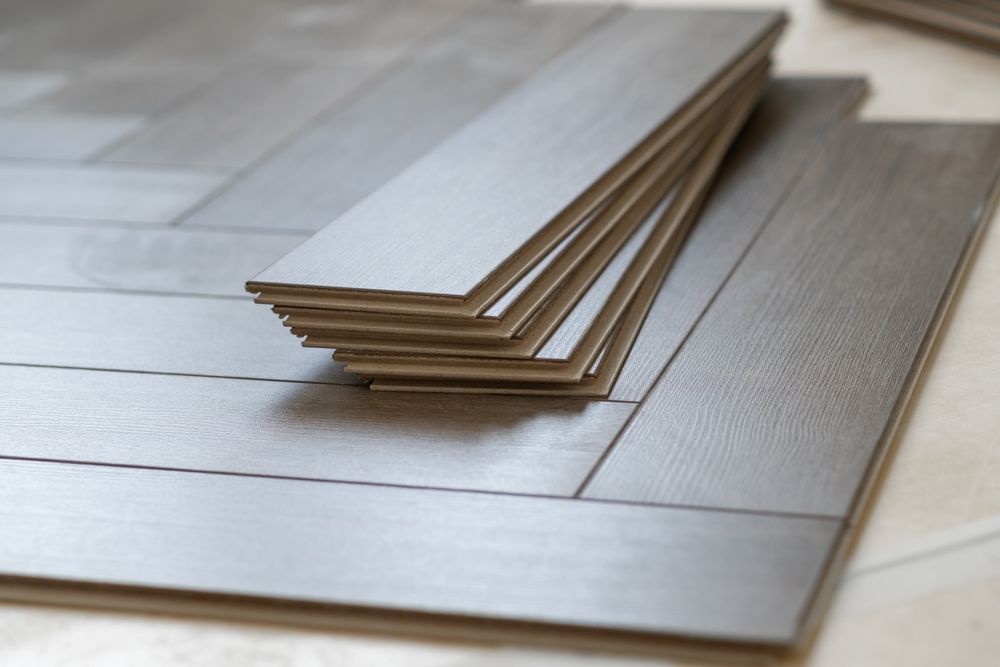
What Proper Material Selection Prevents Long-Term
Flooring scope in Peosta often integrates with kitchen, bathroom, and living space remodeling projects, allowing material transitions and subfloor repairs to happen in the same work phase. When flooring is treated as an isolated task without addressing what's underneath, you end up with gaps along transitions, uneven surfaces where old and new subfloor meet, or materials that look fine at install but buckle within a year. Northeast Iowa's temperature range demands installation techniques that account for seasonal movement—proper expansion gaps, moisture barriers on concrete slabs, and fastening methods that don't restrict natural wood movement.
After installation, you'll notice floors that stay flat through humidity changes, transitions between rooms that don't separate or lift, and surfaces that don't creak or flex under normal foot traffic. Durability isn't about the brand name on the box—it's about whether the material was acclimated to your home's conditions before install, whether the subfloor was prepped correctly, and whether the fastening or adhesive method matched the foundation type beneath it.
Guidance on material maintenance and what to watch for during seasonal transitions helps you avoid the common mistakes that lead to premature wear or damage. Some flooring types require periodic resealing in high-traffic areas, others need specific cleaning products to prevent finish degradation, and all benefit from consistent indoor humidity levels when possible.
What Homeowners Ask About Flooring Work
Flooring decisions involve more than choosing a color and style—material performance, installation timing, and regional climate factors all affect how your floors hold up over time.
What flooring materials work best in older northeast Iowa homes?
Older homes with crawlspace foundations and variable moisture levels perform better with engineered wood or luxury vinyl that tolerates humidity swings, while solid hardwood requires stricter moisture control and subfloor prep to prevent cupping.
How does subfloor condition affect material choice?
If your subfloor has unevenness, moisture damage, or structural flex, those issues get addressed before flooring goes down—skipping that step leads to cracking tile, separating planks, or premature wear in high-traffic zones.
When should flooring installation happen during a remodel?
Flooring goes in after drywall, paint, and cabinetry are complete but before final trim and fixtures, protecting new surfaces from construction damage while allowing proper transitions and finishing details.
What causes floors to warp or buckle after installation?
In Peosta, the most common cause is inadequate acclimation before install—materials brought in from a cold truck and installed immediately don't adjust to your home's temperature and humidity, leading to expansion or contraction once they stabilize.
How much does flooring installation cost in northeast Iowa?
Cost depends on material type, subfloor prep requirements, square footage, and whether the work integrates with other renovation scope—a kitchen remodel with flooring costs less per square foot than a standalone flooring project due to consolidated labor and material delivery.
Horizon Renovations manages flooring installation within larger renovation projects or as focused work in specific rooms, ensuring material selection and installation methods align with how northeast Iowa homes respond to seasonal changes. Schedule a consultation to assess your subfloor and discuss flooring options suited to your home's foundation and your space requirements.